
There is a point when your home starts feeling full even though you don’t think you’ve bought that much.
A drawer won’t close properly. Your wardrobe has clothes you haven’t worn in years. The kitchen has three versions of the same thing. Your bathroom is full of products you bought because they looked useful but barely touched.
And then there’s the shopping.
You see something that looks convenient, beautiful, or useful and think:
“Maybe I’ll need this someday.”
So you buy it.
Months later, you’re wondering why you have so much stuff.
The answer isn’t always that you need to become a minimalist or throw away half your belongings. Sometimes you simply need to become more intentional about what to keep, what to throw away and what to stop buying.
You don’t need an empty home.
You need a home where the things you own actually earn their space.
Why It’s So Hard to Decide What to Keep
Getting rid of things sounds easy until you actually pick something up.
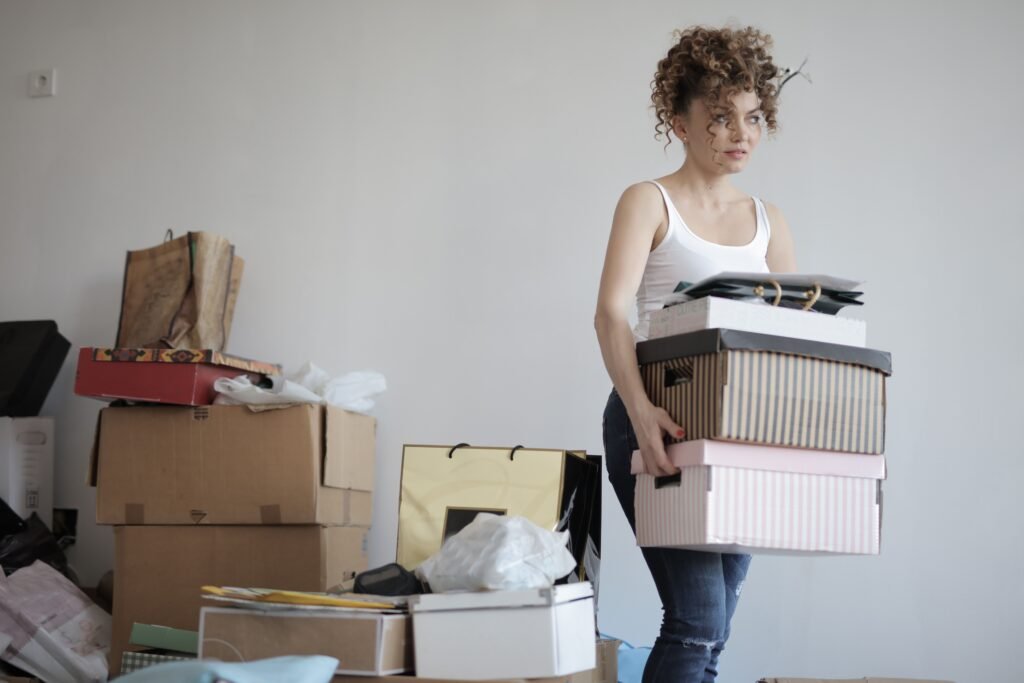
Suddenly you remember how much you paid for it.
Or you think:
“What if I need it later?”
“Someone gave this to me.”
“I might use it someday.”
“It still looks perfectly fine.”
These thoughts can make decluttering much harder than it needs to be.
Instead of asking whether something is technically usable, ask a more useful question:
“Does this still have a useful place in my life?”
Something can be perfectly good and still not be useful to you anymore.
That’s the difference between throwing things away randomly and making thoughtful decisions about what deserves to stay.
What to Keep
Let’s start with the easiest category.
You don’t need to get rid of everything.
There are plenty of things worth keeping.
1. Things You Use Regularly
This sounds obvious, but regular use is one of the simplest signs that something deserves its place.
Keep the things you genuinely reach for.
Your favorite everyday clothes.
The pan you actually cook with.
The bag you use all the time.
The skincare products that work for you.
The notebook you regularly use.
These things are earning their space.
You don’t need to feel guilty about keeping them just because you own a lot of them.
2. Things That Solve a Real Problem
A useful item doesn’t necessarily have to be used every day.
Some things are worth keeping because they solve a specific problem when you need them.
For example:
- A basic first-aid kit
- Important documents
- A reliable umbrella
- A tool you occasionally need
- Seasonal clothing
- Useful travel items
- Backup household essentials
The key is that you know why you have it.
If you can immediately explain what an item is for and when you would realistically use it, that’s a good sign.
3. A Few Sentimental Things
Decluttering doesn’t mean becoming emotionally detached from your belongings.
Keep things that genuinely mean something to you.
A photograph.
A handwritten note.
A meaningful gift.
Something connected to an important memory.
But you don’t have to keep every object simply because it reminds you of someone.
Your memories aren’t stored only inside physical objects.
Keep the sentimental things that genuinely make you happy to see.
4. Quality Basics You Actually Use
Sometimes keeping one good item is better than constantly replacing several cheap versions.
If you have a jacket that fits perfectly, a pair of shoes you wear constantly, or kitchen equipment that has lasted for years, there is no reason to get rid of it simply because it isn’t new.
Ask:
Would I buy this again today?
If the answer is yes, that’s useful information.
What to Throw Away
This is where things become easier if you stop thinking about what something could be useful for.
Think about how it is actually being used.
5. Broken Things You’re Never Going to Fix
That broken charger.
The bag with the damaged zip.
The appliance you’ve been meaning to repair for two years.
The chair that has been waiting for a repair since forever.
If you genuinely intend to fix something, give yourself a realistic deadline.
Otherwise, you’re not really keeping a useful item.
You’re keeping a future task.
And sometimes getting rid of the broken item feels like removing a tiny responsibility from your mind.
6. Expired or Unusable Products
Check your:
- Bathroom cabinets
- Makeup drawer
- Medicine storage
- Refrigerator
- Pantry
- Cleaning supplies
If something is expired, spoiled, damaged, or no longer safe to use, it shouldn’t stay simply because you paid for it.
Don’t keep something just because you feel bad about wasting money.
The money has already been spent.
Keeping something you can’t use doesn’t recover that money.
7. Clothes That Don’t Fit Your Real Life
Your wardrobe can become crowded with clothes that belong to an imaginary version of your life.
Maybe you bought something for a special occasion that never happened.
Maybe you used to wear a certain style but don’t anymore.
Maybe you keep something because “I’ll wear it when I lose weight.”
Be honest with yourself.
If you haven’t worn something for a long time and can’t realistically imagine wearing it soon, it may not need to stay in your everyday wardrobe.
This doesn’t mean you need to throw away everything you haven’t worn recently.
Some clothes are seasonal or occasion-specific.
Just don’t let your wardrobe become storage for clothes you don’t actually enjoy wearing.
8. Duplicates You Don’t Need
You probably don’t need five versions of the same basic item.
Look for duplicates in:
- Water bottles
- Mugs
- Storage containers
- Bags
- Kitchen utensils
- Chargers
- Notebooks
- Beauty products
- Cleaning supplies
If you genuinely use all of them, keep them.
But if you always reach for the same one, ask why the others are still taking up space.
You don’t have to own less for the sake of owning less.
You simply need to stop keeping five things when one or two do the job perfectly well.
What to Stop Buying
This might be the most important section.
Decluttering your home feels great.
But if you continue bringing in the same unnecessary things, you’ll eventually end up in the same situation again.
The goal isn’t just to remove clutter.
It’s to reduce unnecessary clutter coming back.
9. Stop Buying Things Just Because They’re on Sale
A discount doesn’t automatically make something a good purchase.
If something costs ₹500 instead of ₹1,000 but you don’t actually need it, you’ve still spent ₹500.
Before buying something on sale, ask:
“Would I still want this if it were full price?”
If the answer is no, you probably don’t want the item.
You want the feeling of getting a bargain.
Those are two different things.
10. Stop Buying Organizers for Things You Don’t Need
This is one of the easiest traps to fall into.
You have too many things.
So you buy a box.
Then another box.
Then drawer dividers.
Then another storage basket.
And eventually you have a beautifully organized collection of things you don’t use.
Sometimes the first solution isn’t more storage.
It’s fewer things.
Declutter first.
Organize what’s left afterward.
11. Stop Buying “Someday” Items
“I’ll use it someday.”
This sentence can justify almost anything.
A hobby kit.
A fancy notebook.
A kitchen gadget.
An outfit.
A decorative item.
A book.
A piece of equipment.
Before buying it, ask:
“Do I have a specific plan to use this?”
If you can’t think of one, leave it.
You can always buy it later if you actually need it.
12. Stop Buying Things to Become a Different Person
This is a surprisingly common shopping habit.
You buy running clothes because you’re going to become a runner.
A fancy planner because you’re going to become organized.
Cooking equipment because you’re going to cook every day.
Clothes for a lifestyle you don’t actually live.
There’s nothing wrong with wanting to change.
But you don’t need to buy an entire new identity before changing your habits.
Start with the behavior.
Then buy what you genuinely need.
13. Stop Buying Replacements Before You Need Them
Having one backup of something important can make sense.
Having six backups because you might run out someday usually doesn’t.
Before buying another bottle, packet, notebook, candle, or household product, check what you already have.
You may discover that you already have enough for months.
This simple habit can save money and prevent cupboards from slowly filling up.
A Simple Test Before You Keep or Buy Something
When you’re unsure about an item, ask yourself these five questions:
1. Do I actually use it?
If yes, that’s a strong reason to keep it.
2. Would I buy it again today?
If you wouldn’t choose it today, think about why.
3. Do I already own something that does the same job?
If yes, you may not need another one.
4. Am I keeping it because I love it or because I feel guilty?
Guilt isn’t a good reason to fill your home.
5. If I didn’t already own this, would I spend money on it today?
This is particularly useful when deciding what to keep.
Try the “Maybe Box” Method
Some things are difficult to decide about immediately.
Instead of forcing yourself to make a decision, create a maybe box.
Put questionable items inside and write the date on the box.
Then leave it somewhere out of the way.
If you need something from the box, take it out and keep it.
If months pass and you don’t even remember what’s inside, that tells you something.
This approach can make decluttering less stressful because you don’t have to make every decision immediately.
Don’t Try to Declutter Your Entire Home in One Day
This is where many people go wrong.
They get motivated, empty every drawer, pull everything out of the wardrobe, and create a huge mess.
A few hours later, they’re exhausted and surrounded by even more things than they started with.
Instead, choose one small area.
For example:
Monday: One drawer
Tuesday: Bathroom shelf
Wednesday: Handbags
Thursday: One section of your wardrobe
Friday: Kitchen cupboard
Small progress is still progress.
And once one area feels easier to use, you’ll probably find the next area much less intimidating.
The Goal Isn’t to Own as Little as Possible
Decluttering can sometimes become another form of pressure.
You don’t need to count every item you own.
You don’t need an empty wardrobe.
You don’t need a completely minimalist home.
And you don’t have to throw something away simply because someone online says you should.
Your home should support your actual life.
If you love books, keep books.
If you enjoy having different mugs, keep them.
If you need several work bags, that’s fine.
The question isn’t:
“Do I own too much?”
It’s:
“Do the things I own make sense for the life I actually live?”
That’s a much more useful question.
A Better Way to Think About Shopping
Before your next purchase, pause for ten seconds.
Ask yourself:
Do I need it?
Do I already own something similar?
Where will I keep it?
How often will I realistically use it?
Would I still want it tomorrow?
That tiny pause can prevent a surprising number of unnecessary purchases.
And if you genuinely want something after thinking about it, you can buy it without feeling guilty.
Intentional shopping isn’t about never buying anything.
It’s about buying things on purpose.
Final Thoughts
Knowing what to keep, what to throw away and what to stop buying isn’t about creating a perfect minimalist home.
It’s about making your surroundings work better for you.
Keep the things you use and genuinely value.
Let go of things that are broken, expired, unusable, or simply no longer part of your life.
And before buying something new, ask yourself whether you actually need it—or whether you’re simply attracted to the idea of having it.
You don’t have to change everything today.
Start with one drawer.
One shelf.
One shopping decision.
Sometimes a simpler life begins with something as small as deciding:
“I don’t need to keep this anymore.”
FAQ
How do I know what to keep when decluttering?
Start with usefulness. Keep things you regularly use, genuinely value, or realistically need for specific situations. You don’t have to get rid of something simply because it isn’t used every day.
What should I throw away first?
Start with things that are broken beyond practical repair, expired, unusable, damaged, or obvious duplicates. These are usually easier decisions than sentimental belongings.
What should I stop buying to reduce clutter?
Start by avoiding unnecessary duplicates, impulse purchases, sale items you don’t need, excessive organizers, and products you’re buying for a lifestyle you don’t actually live.
Is decluttering the same as minimalism?
No. Decluttering is about removing things that no longer serve you. Minimalism is a broader lifestyle approach. You can have a comfortable, full home and still be intentional about what you own.
How can I stop clutter from coming back?
Focus not only on removing things but also on changing your buying habits. Before purchasing something, consider whether you need it, already own something similar, and have a realistic place and purpose for it.