
Some days don’t feel difficult because anything major went wrong. They feel difficult because of twenty tiny things.
You can’t find your keys. You forgot to charge your phone. You have no idea what to make for dinner. The clothes you wanted to wear are still in the laundry. Your kitchen counter is covered with things you don’t know where to put.
None of these problems is huge on its own. But when they keep happening, they can make an ordinary day feel unnecessarily exhausting.
The good news is that you don’t always need a complete lifestyle makeover to fix this.
Sometimes, a few small things that make everyday life easier can remove a surprising amount of daily friction.
These aren’t complicated routines that require waking up at 5 a.m. or spending money on expensive organizers. They’re simple changes you can fit into a normal life.
Why Small Changes Can Make Such a Difference
When a small task is repeated every day, the time and mental effort can add up.
Preparing something the night before, keeping important items in the same place, or writing down tomorrow’s priorities may only take a few minutes. But these small actions can prevent you from repeatedly making the same decisions or searching for the same things.
Research on habit formation also suggests that repeatedly connecting a behavior with a routine or cue can help it become more automatic over time.
So instead of trying to change everything at once, start by making one part of your day easier.
Here are 10 simple places to start.
1. Prepare One Thing for Tomorrow Tonight
You don’t have to create an elaborate nighttime routine.
Just prepare one thing that tomorrow-you will need.

It could be:
- Choosing tomorrow’s clothes
- Packing your bag
- Charging your phone
- Filling your water bottle
- Preparing your work items
- Putting your keys where you’ll find them
- Writing down an important task for tomorrow
This works because you’re solving a future problem before it happens.
Imagine waking up already knowing what you’re wearing and where your keys are. That’s a tiny change, but it removes unnecessary decisions from your morning.
You don’t need to prepare your entire day.
Just ask yourself: “What is one thing I can do tonight that will make tomorrow morning easier?”
Then do that one thing.
2. Give Important Things a Permanent Home
If you regularly spend five minutes looking for your keys, charger, wallet, headphones, documents, or other essentials, the problem may not be that you’re forgetful.
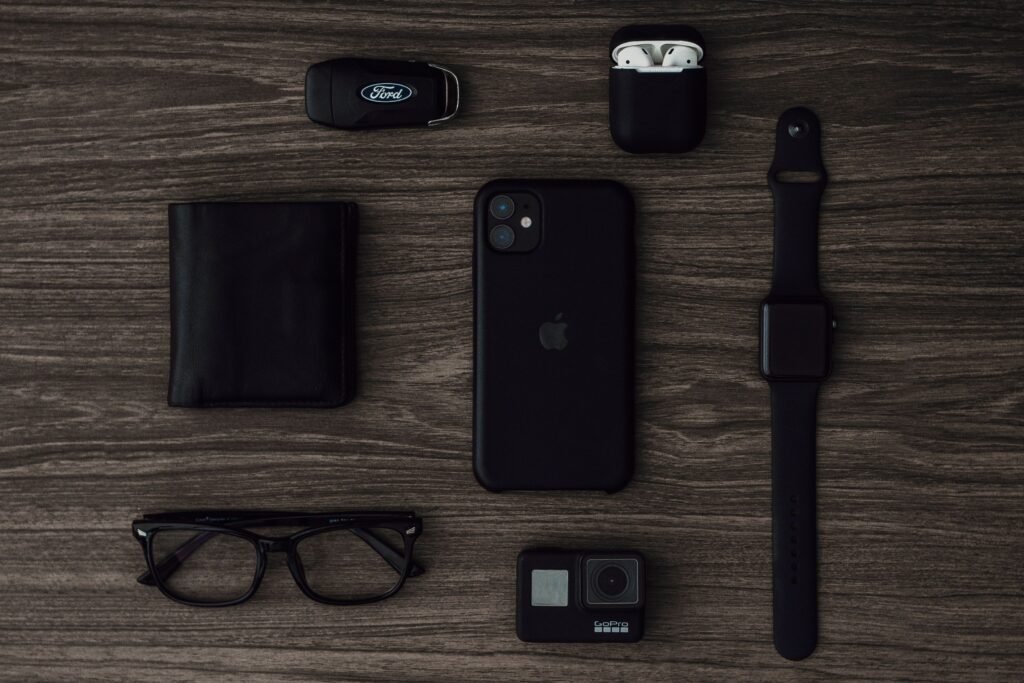
You may simply not have a consistent place for them.
Choose a permanent spot for the things you use frequently.
For example:
Keys → one bowl or hook near the entrance
Wallet → one specific drawer or tray
Chargers → one charging area
Important documents → one folder
Everyday bag → one specific hook or chair
The goal isn’t to make your home look perfectly organized.
The goal is to make finding things easier than losing them.
Once you get used to putting something in the same place, you don’t have to think about where it belongs every time.
3. Keep a “Don’t Forget” List
Your brain isn’t meant to constantly remember every little thing.
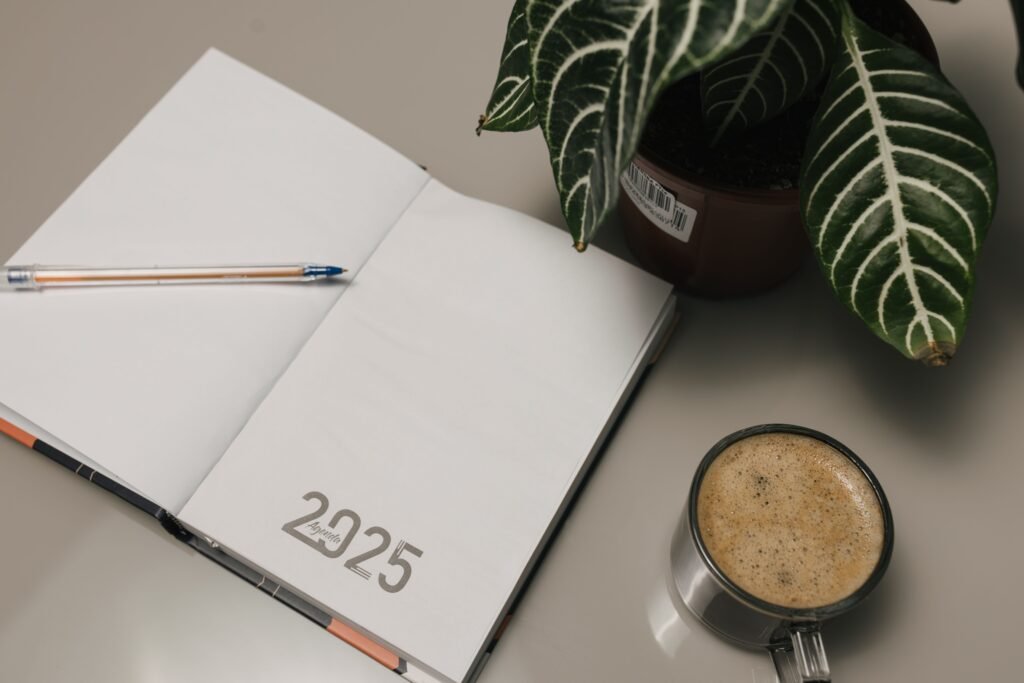
Appointments.
Bills.
Things you need to buy.
Messages you need to send.
Something you need to take somewhere.
An idea you don’t want to forget.
Instead of repeatedly telling yourself, “I need to remember this,” write it down.
You can use:
- A notes app
- A small notebook
- A planner
- A simple checklist
- Your phone’s reminders
The important part is having one reliable place for these things.
Otherwise, you can end up with reminders scattered across screenshots, messages, random pieces of paper, and your memory.
A simple list can make your mind feel much less crowded.
4. Make Your Most-Used Things the Easiest to Reach
Look around your home.
Are the things you use every day stored in places that make sense?
If you use something constantly, you shouldn’t have to move five other things to reach it.
Keep frequently used items close to where you actually use them.
For example:
- Keep everyday skincare where you get ready.
- Keep frequently used kitchen items within easy reach.
- Keep your work essentials together.
- Keep cleaning supplies near the areas where you use them.
- Keep your everyday shoes somewhere accessible.
This is one of the simplest small things that make everyday life easier because you’re designing your surroundings around your real life.
Your home doesn’t have to look like a showroom.
It should work for you.
5. Create a Five-Minute Reset
You don’t always need to clean your entire home.
Sometimes you just need to stop the mess from getting bigger.
Try a five-minute reset at the end of the day.
Set a timer and quickly:
- Put clothes where they belong
- Clear your main surface
- Put dishes in the kitchen
- Return random items to their places
- Throw away obvious rubbish
- Put tomorrow’s essentials together
When the timer ends, you can stop.
That’s the point.
You’re not trying to achieve perfection. You’re simply giving your future self a cleaner starting point.
Breaking a larger task into smaller pieces can also make it feel more manageable than waiting until everything has accumulated into one huge job.
6. Decide Some Things Once
How many times have you stood in front of your wardrobe thinking:
“What am I going to wear?”
Or opened the refrigerator and thought:
“What am I going to eat?”
Or spent ten minutes deciding when you’re going to do something you’ve been putting off?
Some decisions can be made once and reused.
For example, you could have:
- A few reliable breakfast options
- A few easy weekday meals
- A simple morning routine
- A basic work outfit formula
- A regular grocery list
- A standard cleaning schedule
- A usual place for frequently used items
This doesn’t mean every day has to be identical.
It simply means you don’t have to reinvent your routine every morning.
Reducing unnecessary decisions can leave more mental energy for things that actually require your attention.
7. Put Your Phone Slightly Further Away
Your phone doesn’t have to disappear from your life.
But making it slightly less convenient can help when you need to focus.
For example, instead of keeping your phone directly beside you while working, put it:
- Across the room
- Inside your bag
- On another surface
- On silent or Do Not Disturb
- Face down and out of reach
This small amount of friction can make mindless checking less automatic.
You can also turn off notifications that aren’t genuinely important.
Recent advice from brain-health experts similarly emphasizes reducing smartphone distractions, minimizing unnecessary notifications, and breaking tasks into smaller chunks when trying to improve focus.
You don’t need to become a person who never uses their phone.
You just need to make intentional phone use easier than accidental scrolling.
8. Keep a Few “Emergency” Options Ready
Life becomes much easier when you have a backup for predictable problems.
Keep a few simple options available for days when things don’t go according to plan.
For example:
Too tired to cook?
Have one or two easy meals you can prepare quickly.
Forgot to wash your usual outfit?
Keep a couple of reliable backup outfits.
Ran out of time in the morning?
Have a quick breakfast option.
Unexpectedly busy?
Keep a simple list of tasks that can wait.
Feeling overwhelmed?
Have a short reset routine you can fall back on.
This isn’t about preparing for every possible disaster.
It’s about recognizing the problems that happen again and again and creating an easier backup.
9. Do Small Tasks While They’re Still Small
A lot of everyday stress comes from tiny tasks becoming bigger tasks.
One cup in the sink becomes a pile of dishes.
One piece of clothing on the chair becomes a pile.
One unopened message becomes ten.
One thing you need to buy becomes an urgent problem when you suddenly run out.
You don’t need to become obsessed with doing everything immediately.
But when something takes less than a minute or two, consider doing it when you notice it.
Put the item away.
Throw the rubbish away.
Reply to the simple message.
Add the item to your shopping list.
Wash the cup.
The goal isn’t constant productivity.
It’s preventing small amounts of work from quietly becoming large amounts of work.
10. Make Your Routine Easier Instead of Making Yourself Work Harder
This may be the most useful idea on the list.
When something repeatedly feels difficult, ask:
“Can I change the system instead of forcing myself to try harder?”
If you keep forgetting something, set a reminder.
If you keep losing something, give it a permanent home.
If mornings are stressful, prepare something the night before.
If you keep skipping a habit, make the habit smaller.
If your room constantly becomes messy, keep fewer things in the room.
If you’re always deciding what to eat, create a short list of easy meals.
If you keep procrastinating, break the task into the smallest possible first step.
The solution isn’t always more discipline.
Sometimes the solution is creating an environment where the easier choice is also the obvious choice.
How to Start Without Overwhelming Yourself
Reading ten ideas can make you want to change ten things immediately.
Don’t.
Choose one or two.
For example, start with:
Tonight:
Prepare one thing for tomorrow.
This week:
Give your keys, wallet, and everyday bag permanent places.
Once those become natural, add another small change.
This matters because habits generally become stronger through repeated behavior in a consistent context. Research also shows that the amount of time habit formation takes varies considerably from person to person, so there’s no need to pressure yourself into believing that you must master a new routine in a fixed number of days.
You don’t have to get everything right.
You just have to make your everyday life a little easier than it was yesterday.
The Real Goal Isn’t a Perfect Routine
There’s a difference between making your life easier and trying to optimize every minute of it.
You don’t need a color-coded planner.
You don’t need a perfect morning routine.
You don’t need to wake up extremely early.
You don’t need twenty productivity apps.
And you definitely don’t need to turn your entire life into a project.
Sometimes the best lifestyle changes are almost boring.
Putting your keys in the same place.
Preparing your clothes before bed.
Keeping a short grocery list.
Cleaning for five minutes.
Turning off unnecessary notifications.
Making your most-used things easier to reach.
These aren’t impressive habits to post online.
But they can make ordinary days feel smoother.
Final Thoughts
The small things that make everyday life easier are often the things we barely notice.
They don’t completely transform your life overnight.
Instead, they remove little frustrations that you experience again and again.
And when enough of those small frustrations disappear, your day can start feeling noticeably lighter.
So don’t ask yourself:
“How can I completely change my life?”
Try asking:
“What is one small thing that keeps making my day harder than it needs to be?”
Then change that.
Start there.
FAQ
What are some small things that make everyday life easier?
Simple habits such as preparing something the night before, keeping important items in permanent places, writing down tasks, reducing phone distractions, and doing quick daily resets can make everyday life easier.
How can I make my daily routine less stressful?
Start by identifying the parts of your routine that repeatedly cause stress. Then create simple systems around them, such as preparing ahead, using reminders, keeping essentials together, or reducing unnecessary decisions.
Do small habits really make a difference?
Yes. Small behaviors become more useful when they’re repeated consistently. Research on habit formation suggests that repeating a behavior in connection with a routine or cue can support automaticity over time.
What should I change first?
Choose the one small problem that annoys you most often. If you constantly lose things, create permanent homes for them. If mornings are stressful, prepare something the night before. Start with the problem you actually experience.