
Modern life can sometimes feel like a constant cycle of work, responsibilities, notifications, deadlines, and recovery. You get through a busy week while looking forward to the weekend, only to spend much of it recovering before another busy week begins.
A vacation can give you a much-needed reset, but what happens when you return to the same routine and immediately start waiting for your next break?
Maybe the solution isn’t always another vacation. Maybe it’s learning how to design your life in a way that makes your everyday experience more enjoyable, manageable, and meaningful.
To design your life doesn’t mean creating a perfect routine or becoming productive every minute of the day. It means making intentional choices about how you spend your time, energy, attention, and free time.
Here are nine practical ways to design your life so that your everyday routine feels less exhausting and more fulfilling.
What Does It Mean to Design Your Life?
To design your life means to consciously create an everyday lifestyle that reflects what matters to you instead of simply following a routine because you’ve always followed it.
Your ideal lifestyle doesn’t have to look like someone else’s.
Maybe you don’t need a packed schedule. Maybe you don’t enjoy being constantly productive. Maybe your ideal morning is slow and quiet rather than filled with a long list of habits.
When you design your life, you begin asking yourself important questions:
- What actually makes me feel good?
- What constantly drains my energy?
- What do I want more time for?
- What am I doing simply because I feel I should?
- What would an enjoyable ordinary day look like?
Your goal isn’t to create someone else’s version of a good life. It’s to create a lifestyle that actually works for you.
1. Stop Making Productivity the Center of Your Life
Productivity is useful, but constantly trying to maximize your productivity can make life feel like one long checklist.
There is always another email to answer, another goal to reach, another skill to learn, or another task to complete.
If your entire day is measured by how much you accomplished, you may eventually feel guilty for resting.
Instead of asking:
“How much can I get done today?”
try asking:
“What actually deserves my time today?”
When you design your life around what matters rather than how much you can accomplish, your definition of a successful day can change.
You don’t need to complete twenty tasks to have a productive day. Sometimes, completing a few important things and having enough energy left for yourself is a much better outcome.
Make space for activities that have no productivity purpose.
Read. Walk. Listen to music. Talk to someone. Sit outside. Do nothing for a while.
Your value isn’t determined by your daily output.
2. Design Your Day Around Your Energy
Most people plan their days around time, but your energy matters too.
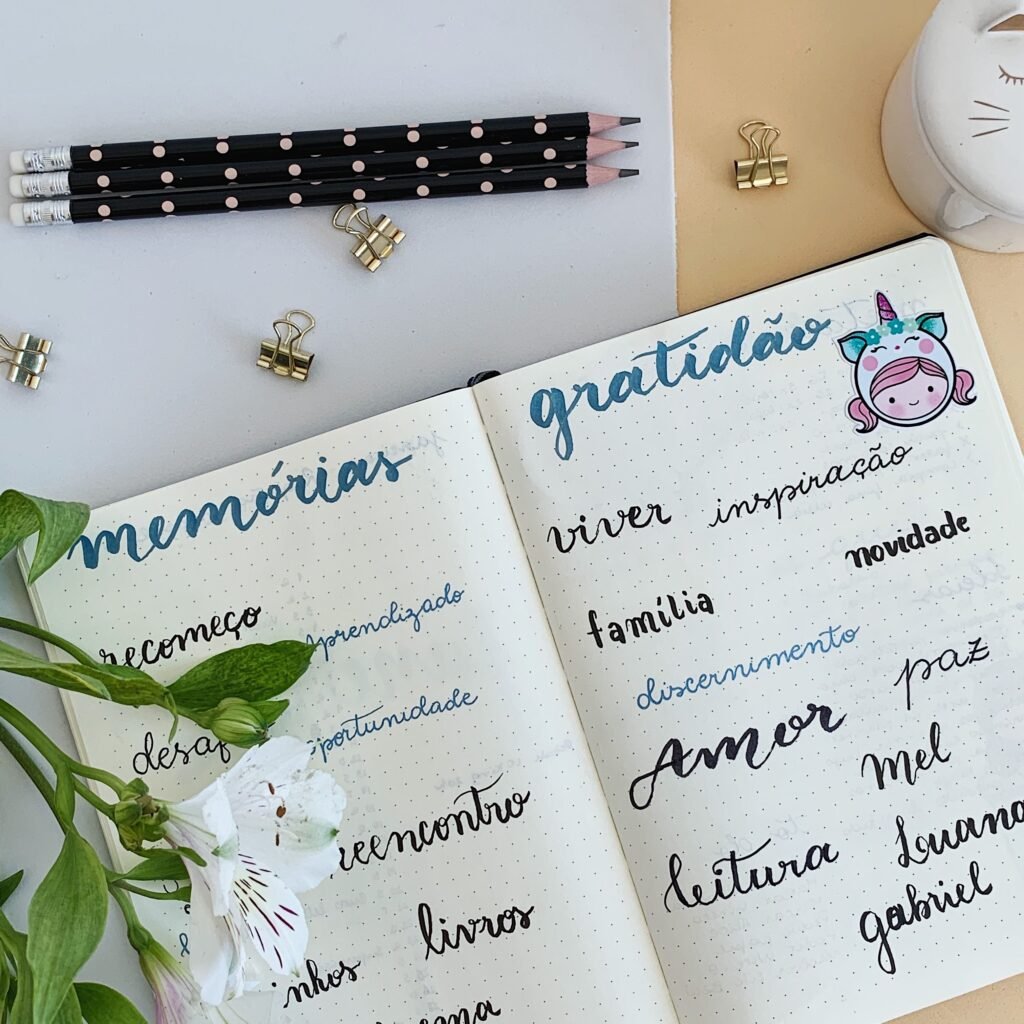
You might have eight free hours but only a few of them may be your most focused and energetic hours.
Pay attention to your natural patterns.
When do you concentrate best? When do you feel tired? When are you most creative? When do you naturally want to slow down?
Whenever possible, schedule demanding tasks during periods when you have more energy. Save simpler activities for times when your energy naturally drops.
You should also notice which activities consistently drain you.
For example, constantly checking notifications may leave you mentally tired even if you haven’t done anything physically demanding. Saying yes to every invitation may leave you with no time to recharge.
Learning how to design your life around your energy can help you stop treating every hour as if it has the same value.
3. Create Boundaries With Your Phone
Your phone is one of the most useful tools in modern life, but it can also make it difficult to truly switch off.
Notifications, social media, messages, news, and endless scrolling can follow you from the moment you wake up until the moment you go to sleep.
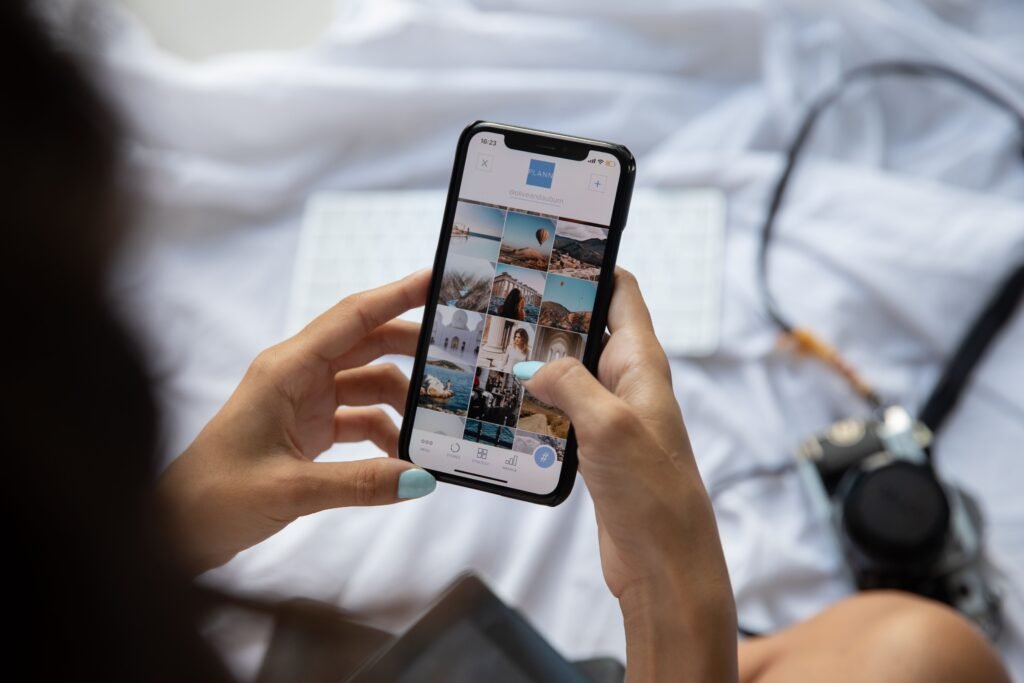
You don’t need to completely give up technology to create healthier boundaries.
Start small.
Try:
- Turning off unnecessary notifications
- Keeping your phone away during meals
- Avoiding social media immediately after waking up
- Creating a phone-free period before bed
- Removing apps you rarely use
- Taking short screen breaks during the day
Part of learning to design your life is deciding where your attention goes.
The goal isn’t to stop using your phone.
The goal is to stop letting your phone automatically decide what deserves your attention.
When you control your attention, you create more room for real experiences.
4. Make Your Environment Easier to Live In
Your surroundings can influence your everyday experience more than you might realize.
A cluttered desk can make working feel more difficult. A messy bedroom can make relaxing harder. Constantly searching for things can create unnecessary frustration.
You don’t need to completely redesign your home or spend a lot of money.
Start with the spaces you use most.
Clear your desk. Organize your everyday items. Remove things you don’t use. Keep frequently needed objects somewhere easy to reach.
You can also create small areas for specific activities.
A comfortable reading corner can encourage you to read more. A clean workspace can make studying or working easier. A calm bedroom can help create a better transition into your evening.
When you design your life, your physical environment should support the lifestyle you want instead of constantly making everyday tasks harder.
Sometimes, removing unnecessary things is enough to make life feel lighter.
5. Leave Empty Space in Your Schedule
A completely packed schedule can make you feel productive, but it can also leave you exhausted.
If every hour is filled with work, errands, social plans, and responsibilities, there is no room for unexpected events or genuine rest.
Try leaving some empty space in your schedule.
You don’t have to know exactly what you’ll do with every free moment.
Maybe you’ll take a walk. Maybe you’ll read. Maybe you’ll finish something you’ve been putting off. Or maybe you’ll simply sit and relax.
Empty time isn’t wasted time.
It gives your mind an opportunity to slow down and gives you flexibility when life doesn’t go according to plan.
If you want to design your life for the long term, remember that rest should not only happen after you’ve reached exhaustion.
It should be part of your normal lifestyle.
6. Add More Things You Actually Enjoy
If you need a vacation to experience enjoyment, your everyday routine may be missing something important.
You don’t need every day to be exciting. But small enjoyable moments can make ordinary days feel much better.
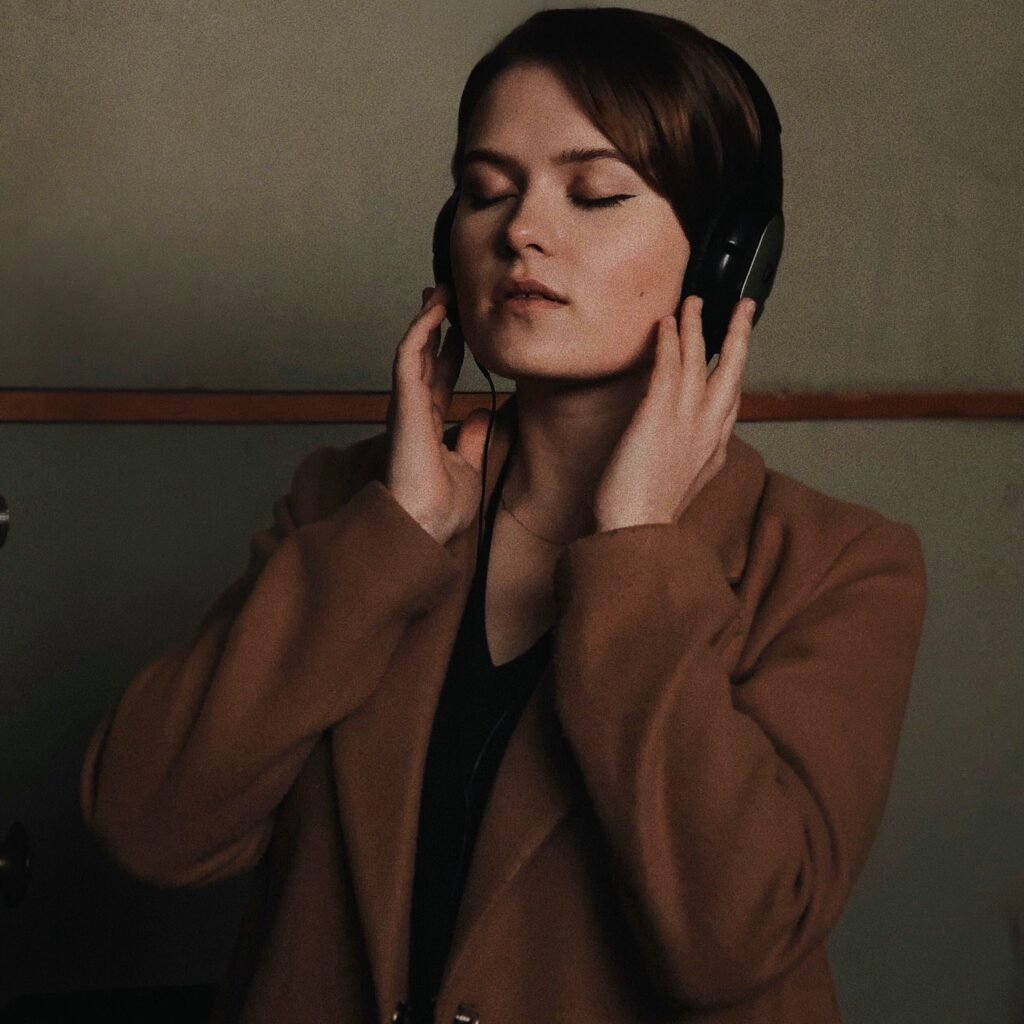
Think about simple things you genuinely enjoy:
- Having your favorite drink in the morning
- Going for an evening walk
- Listening to music while doing chores
- Reading before bed
- Cooking something you like
- Calling a friend
- Spending time outdoors
- Trying a new hobby
- Watching a favorite movie without multitasking
These activities may seem insignificant, but your life is made up of ordinary moments.
When you design your life, don’t focus only on major goals. Think about how you want your normal Tuesday afternoon or ordinary Wednesday evening to feel.
You don’t have to wait for a special occasion to enjoy yourself.
A good life isn’t only about the big moments. It’s also about making ordinary days feel worthwhile.
7. Learn to Say No
Sometimes, the reason you constantly need a break is that your life contains too many things you never really wanted to do.
You may say yes because you don’t want to disappoint someone. You may accept commitments because everyone else is doing them. Or you may simply find it uncomfortable to say no.
But every yes takes some amount of your time and energy.
Before agreeing to something, ask yourself:
“Do I actually have the time and energy for this?”
You don’t have to say yes to every invitation, request, or opportunity.
Saying no doesn’t automatically make you selfish or unhelpful. It can simply mean that you’re being realistic about your limits.
One important part of learning to design your life is understanding that your time is limited.
A balanced lifestyle isn’t about fitting everything into your schedule.
Sometimes, it’s about deciding what doesn’t belong there.
8. Define What a Good Life Means to You
One of the biggest challenges of modern life is that we’re constantly exposed to other people’s versions of success.
Social media can make it seem like everyone else is traveling, building careers, exercising, socializing, decorating beautiful homes, and achieving their goals all at once.
It’s easy to start thinking that your life should look the same.
But what if your definition of a good life is different?
Maybe you value:
- More free time
- Strong relationships
- Financial stability
- Creativity
- Personal freedom
- Travel
- A peaceful home
- Learning
- Family time
- A slower pace
There is no single formula for happiness or fulfillment.
Take some time to identify your own priorities.
Once you know what genuinely matters to you, you can start removing distractions and commitments that don’t support those priorities.
Design your life around your values, not someone else’s highlight reel.
Your lifestyle doesn’t need to impress everyone else to be meaningful to you.
9. Stop Treating Vacation as Your Only Form of Rest
Vacations are valuable. Getting away from your normal environment can help you relax, explore new places, and return with a fresh perspective.
But a vacation shouldn’t be the only time your life feels enjoyable.
If you’re constantly thinking:
“I just need to get through this week.”
or
“I can’t wait until my next holiday.”
it may be worth looking at the routine you’re trying to escape from.
Ask yourself:
What exactly am I trying to escape?
Maybe it’s an overwhelming schedule.
Maybe you have poor boundaries between work and personal time.
Maybe you’re spending too much time online.
Maybe you haven’t made enough room for things you enjoy.
Maybe you’re saying yes to too many commitments.
Once you identify the source, you can start making smaller changes to your everyday life.
The goal isn’t to create a life where you never feel stressed or tired. That’s unrealistic.
The goal is to design your life so that rest, enjoyment, and recovery already exist in your everyday routine.
You Don’t Have to Change Your Entire Life
When people think about improving their lifestyle, they often imagine dramatic changes.
A new job.
A new city.
A completely different routine.
A strict morning schedule.
A digital detox.
But you don’t have to change everything at once.
Start with one small part of your day.
Maybe you stop checking your phone during meals.
Maybe you create a quieter morning.
Maybe you remove one unnecessary commitment.
Maybe you protect one evening each week for yourself.
Maybe you start going for a short walk after work.
Small changes may seem insignificant individually, but repeated consistently, they can change how your everyday life feels.
Think of designing your life as an ongoing process rather than a one-time transformation.
You can experiment with your routine, notice what works, and adjust what doesn’t.
Final Thoughts
You don’t need to create a perfect life.
You need to create a life that feels sustainable, meaningful, and enjoyable enough to live every day.
When you design your life around what actually matters to you, you can start creating a routine that supports your energy instead of constantly draining it.
Protect your attention. Create boundaries with technology. Leave space in your schedule. Make your surroundings easier to live in. Say no when necessary, and stop measuring your entire life by productivity.
Most importantly, don’t wait for a vacation to start enjoying your life.
The next time you catch yourself thinking, “I really need a break,” ask yourself another question:
“What can I change about my everyday life so I don’t need to escape from it so often?”
That’s where learning to design your life begins.
You don’t need to redesign everything tomorrow.
Start with one small change that makes your ordinary day a little better.