
You can save hundreds of outfit photos, buy clothes you thought you’d love, and still stand in front of your closet thinking, “I have no idea what looks good on me.”
Maybe you like several completely different styles. Maybe you buy something because it looks great on someone else, only to leave it hanging in your closet. Or maybe you simply don’t know what your style is supposed to be.
The good news is that you don’t need to figure it all out at once.
Learning how to create a personal style is less about choosing one aesthetic and more about noticing what you actually enjoy wearing. Your favorite colors, comfortable fits, outfits you repeat, and even the clothes you never reach for can all give you useful clues.
You also don’t need a completely new wardrobe to start.
Here are 10 simple ways to figure out what feels like you and gradually create a personal style that works for your everyday life.
What Does Personal Style Actually Mean?
Personal style is simply the way you choose to dress based on what you like, what feels comfortable, and what works for your everyday life.
It doesn’t mean you have to fit into a specific category like minimalist, classic, feminine, casual, or trendy.
You can enjoy simple outfits one day and wear something more feminine or polished the next. Your style can also change depending on where you’re going, the season, your mood, or what you feel comfortable wearing.
Instead of asking yourself, “What aesthetic am I?” try asking:
“What clothes do I genuinely enjoy wearing?”
Look at the colors you repeatedly choose, the fits you feel comfortable in, the shoes you wear most often, the accessories you reach for, and the outfits you naturally put together.
These small patterns can tell you much more about your personal style than a fashion label can.
10 Easy Ways to Create a Personal Style When You Don’t Know Where to Start
1. Start With What You Already Wear
Before buying anything new, take a look at what you already wear regularly.
Pick five to ten pieces that you reach for again and again. They could be your favorite pair of jeans, a simple white shirt, comfortable trousers, a cardigan, sneakers, or a particular handbag.
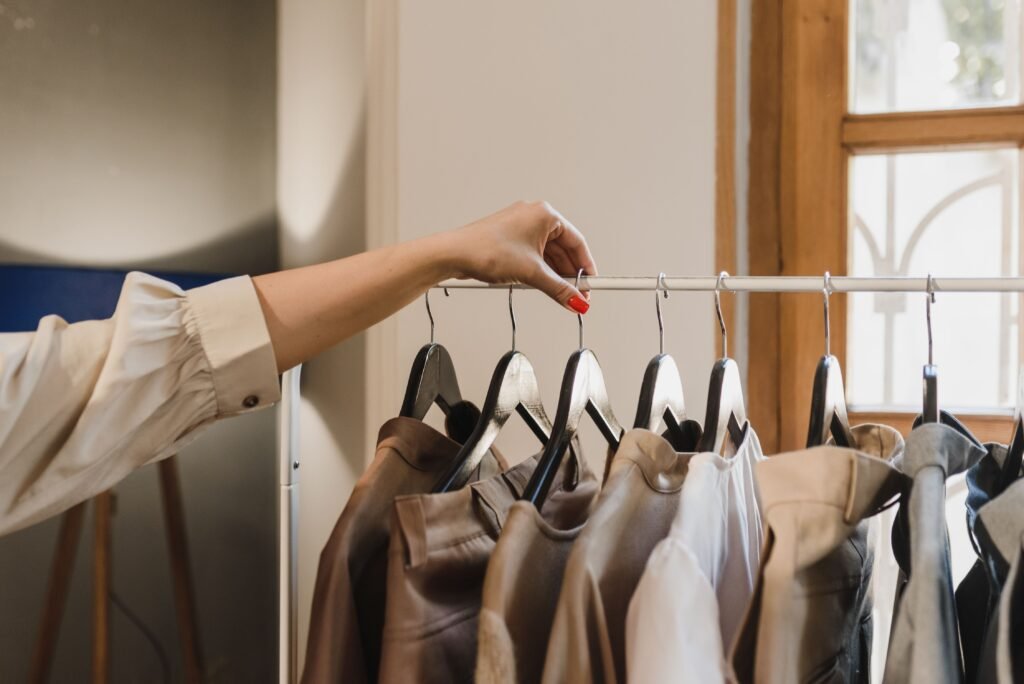
Then ask yourself why you like these pieces.
Maybe you like the way they fit. Maybe you like the colors. Maybe they’re comfortable and easy to style. Maybe they make you feel more confident when you wear them.
Your answers can help you notice patterns.
If you keep choosing simple tops, relaxed trousers, neutral colors, and comfortable shoes, for example, that is already giving you clues about your personal style.
Your existing wardrobe is already giving you information.
You don’t have to start from zero.
2. Notice What Makes You Feel Good
When you’re trying to figure out what looks good on you, it’s easy to focus only on how an outfit looks in a photo.
But how you feel while wearing it matters too.
Think about the outfits that make you feel comfortable and confident.
Ask yourself:
- Do I like how the clothes fit?
- Am I constantly adjusting them?
- Do I feel comfortable moving around?
- Do I like seeing myself in the outfit?
- Would I happily wear it again?
- Does it feel like something I would actually choose?
There isn’t one universal definition of what “looks good.”
The best starting point is understanding what makes you feel comfortable and like yourself.
Over time, you’ll become better at recognizing which cuts, colors, and combinations work for you personally.
3. Create a Simple Inspiration Board
If you have no idea where to begin, look for inspiration.
You can create a Pinterest board, save Instagram posts, or simply create a folder on your phone with outfit photos you like.
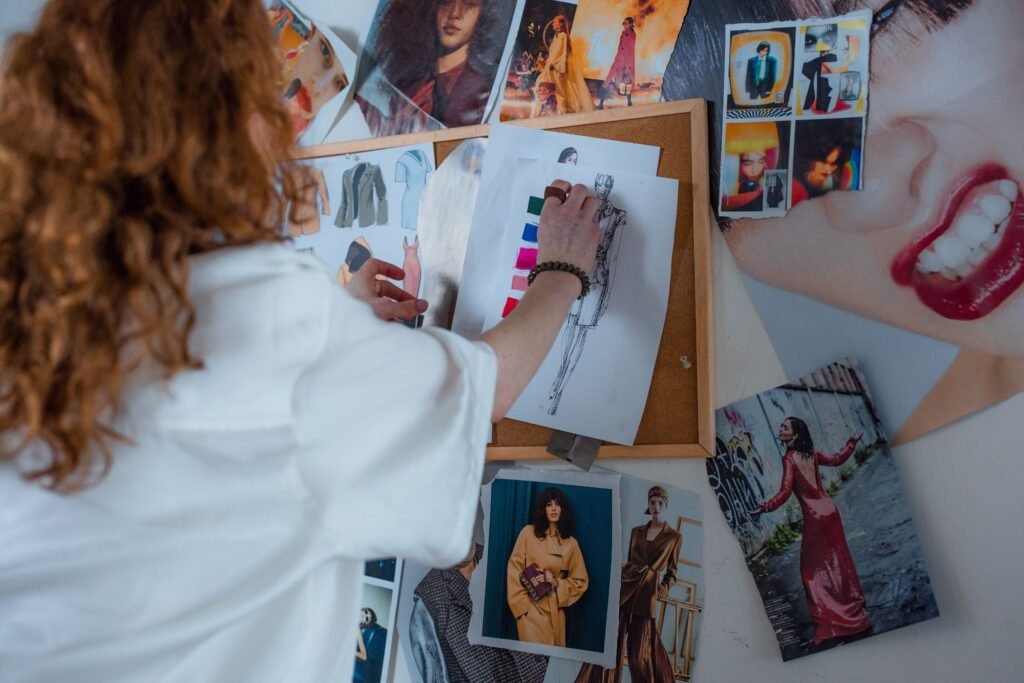
Start by saving around 20–30 outfits without thinking too much about whether they all have the same style.
Then look at them together.
Do you notice a pattern?
Maybe you keep saving:
- Neutral outfits
- Straight or wide-leg trousers
- Simple jewelry
- Denim
- Soft colors
- Structured bags
- Sneakers
- Dresses
- Layered outfits
- Relaxed but polished looks
These patterns are useful.
The goal isn’t to copy someone’s entire outfit or wardrobe. Instead, notice which parts of an outfit you are naturally attracted to.
Your inspiration board should help you understand your preferences, not make you feel like you need to become someone else.
4. Pay Attention to the Fits You Keep Choosing
Fit can have a huge effect on how comfortable you feel in an outfit.
You don’t need to follow strict body-shape rules or choose clothes based on what someone says you “should” wear.
Instead, pay attention to the shapes and proportions you personally enjoy.
Do you prefer relaxed tops or fitted ones?
Do you like straight-leg jeans, wide-leg trousers, or something more fitted?
Do you prefer high-rise or mid-rise bottoms?
Do you like oversized layers or more structured pieces?
You can even take photos of yourself wearing different outfits and compare them later.
Ask yourself:
“What proportions do I personally like seeing on myself?”
The answer will become much more useful than trying to follow a universal fashion rule.
5. Find the Colors You Naturally Reach For
You don’t need a strict color palette to have personal style.
Start by looking inside your wardrobe.
Which colors appear again and again?
Maybe you naturally choose black, white, beige, cream, and denim. Maybe you prefer soft pinks and blues. Or perhaps you love earthy shades like brown, olive, and rust.
Your favorite colors can become an easy part of your personal style.
You can also notice which colors you enjoy wearing together.
For example:
- White + blue denim
- Black + cream
- Beige + brown
- Navy + white
- Soft pink + neutral tones
- Olive + cream
You don’t have to stop wearing other colors.
The goal is simply to understand what you naturally reach for so getting dressed becomes easier.
6. Identify Your “Always Works” Pieces
Most people have a few pieces they can wear without thinking too much.
Maybe it’s your favorite pair of jeans, a basic T-shirt, a black trouser, a cardigan, a simple pair of earrings, or your everyday sneakers.
These are your reliable pieces.
Make a mental or written list of them.
Then think about why they work so well for you.
Once you know your reliable pieces, they can become the foundation of your wardrobe.
This also helps when shopping.
Before buying something new, ask:
“Can I wear this with the pieces I already know I love?”
If the answer is yes, you’re more likely to actually use the new piece instead of leaving it untouched in your closet.
7. Try Different Versions of the Same Outfit
You don’t need to create completely different outfits every day to discover your style.
Start with one simple outfit and change one or two details.
For example, start with:
Jeans + T-shirt + sneakers
Then try:
Jeans + T-shirt + cardigan + sneakers
Or:
Jeans + T-shirt + loafers + simple jewelry
Or:
Jeans + T-shirt + belt + structured bag
Notice which version feels most like you.
This is an easy way to experiment without buying an entirely new wardrobe.
It also helps you understand which small details make an outfit feel more polished, relaxed, feminine, classic, or casual to you.
8. Don’t Try to Choose One Aesthetic
One of the biggest mistakes people make when trying to find their style is thinking they have to choose one aesthetic and stick to it.
You don’t.
You can like simple, feminine, and comfortable outfits at the same time.
You can enjoy classic pieces while also wearing casual clothes.
You can like minimal outfits but still enjoy adding a little color or jewelry.
Your personal style can be a combination of different preferences.
For example, your style might feel:
- Comfortable + simple + polished
- Relaxed + feminine + minimal
- Classic + casual + modern
- Simple + practical + elegant
You don’t need to put yourself into a perfect category.
Your style should fit your life, not the other way around.
9. Shop Less While You Figure It Out
When you aren’t sure what your style is, buying more clothes can sometimes make things more confusing.
You see a beautiful outfit online, buy something similar, and then realize it doesn’t really work with anything you own.
Instead of buying immediately, give yourself time to understand what you’re missing.
Before purchasing something, ask:
- What would I wear this with?
- Can I create at least three outfits with it?
- Does it fit the style I’m naturally moving toward?
- Would I still like it if it wasn’t trending?
- Do I actually like the piece, or do I only like how it looks on someone else?
You don’t have to stop shopping completely.
The goal is simply to make your purchases more intentional.
10. Give Yourself Time to Figure It Out
Your personal style won’t suddenly appear one morning.
You develop it by trying things, noticing what works, and learning from what doesn’t.
You may discover that you love a particular color.
Then you may realize you prefer a different fit.
Later, you might find that you rarely wear something you once thought would become a favorite.
That’s all part of the process.
Don’t feel like you have failed because you haven’t figured everything out.
Personal style is built through noticing, trying, and adjusting.
The more you pay attention to what you actually wear and enjoy, the easier it becomes to make choices that feel natural.
A Simple Personal Style Exercise You Can Do This Week
If you’re still unsure where to begin, try this simple exercise.
Step 1: Pick Five Outfits You Already Like
Think about outfits you’ve worn recently that made you feel comfortable and confident.
They don’t have to be special outfits.
Everyday outfits are actually more useful because they show what you genuinely enjoy wearing.
Step 2: Write Down What They Have in Common
Look for patterns in:
- Colors
- Fits
- Shoes
- Accessories
- Fabrics
- Level of formality
- Repeated clothing pieces
- How fitted or relaxed the outfits are
Step 3: Choose Three Words
Choose three words that describe the outfits you naturally like.
For example:
Comfortable – Simple – Polished
Or:
Relaxed – Feminine – Minimal
Or:
Classic – Casual – Modern
These words don’t have to be perfect.
They’re simply a way to describe the direction you’re naturally drawn toward.
Step 4: Look at Your Wardrobe Again
Now look through your clothes and ask:
“Does my wardrobe reflect these three words?”
You may discover that you already have many pieces that fit your style.
You may also notice a few things that don’t feel right anymore.
That’s useful information.
5 Easy Outfit Formulas to Help You Discover Your Style
If you’re struggling to put outfits together, start with simple formulas instead of trying to create something completely new every time.
1. Straight-Leg Jeans + Simple Top + Clean Sneakers + Everyday Bag
This is an easy everyday combination that can be adjusted with accessories or layers.
2. Trousers + Tucked-In Top + Simple Jewelry + Flats or Loafers
A simple way to create an outfit that feels slightly more polished without being overdressed.
3. Simple Dress + Lightweight Cardigan + Comfortable Shoes + Small Accessories
A practical formula when you want something feminine but still easy to wear.
4. Jeans + Basic Top + Cardigan or Jacket + Simple Shoes
A reliable combination that works well for everyday plans.
5. Different Shades of One Color + One Contrasting Accessory
Wearing similar shades together can create a coordinated look without requiring complicated styling.
Remember, these are starting points, not rules.
Change the pieces based on what you actually like wearing.
Common Mistakes When Trying to Find Your Personal Style
Copying Someone Else’s Entire Wardrobe
An outfit can look amazing on someone else and still not feel right for you.
Take inspiration from individual details instead of trying to recreate someone’s entire style.
Buying Clothes Before Understanding What You Like
Buying more clothes won’t necessarily solve the problem.
Understanding your preferences first can help you make better choices.
Trying to Follow Every Trend
Trends can be fun, but you don’t need to wear everything that becomes popular.
Choose trends that genuinely fit your existing style and lifestyle.
Thinking You Need One Aesthetic
Your style can contain several different influences.
You don’t have to choose one label and follow it forever.
Ignoring Comfort
If you’re uncomfortable in an outfit, you probably won’t reach for it often.
Comfort and personal style can absolutely exist together.
Assuming “What Looks Good” Is Universal
What works for one person may not be what makes another person feel confident.
Learn what works for you.
Buying a Whole New Wardrobe
You don’t need to replace everything to develop your personal style.
Start with what you already own and make small changes over time.
The Real Secret to Building Personal Style
Finding your personal style isn’t a test you need to pass.
It’s something you learn by paying attention.
Notice what you wear most.
Notice what you always skip.
Save outfits that genuinely catch your attention.
Try different combinations.
Take photos.
Experiment with small changes.
And don’t be afraid to learn from the clothes you bought but never wear.
Over time, these little observations make getting dressed easier because you begin to understand yourself better.
You stop asking, “What should I wear?”
And start asking:
“What do I actually like wearing?”
That is where personal style starts to become much more natural.
How to Build a Personal Style Without Spending a Lot
You don’t need to spend a lot of money to create a personal style.
In fact, your existing wardrobe is one of the best places to start.
Try restyling pieces you already own in different ways. Take photos of outfits you like so you can remember combinations that worked. Save inspiration for future ideas instead of immediately shopping for everything you see.
You can also organize your wardrobe and pay attention to the pieces you rarely wear.
Some may simply need to be styled differently. Others may no longer suit your preferences.
When you do buy something new, focus on genuine gaps rather than buying something just because it is currently popular.
A personal style becomes much more useful when it is built around clothes you actually wear and enjoy.
Final Thoughts
Learning how to create a personal style doesn’t require knowing everything about fashion.
You don’t need a perfect wardrobe, a specific body type, expensive clothes, or one clearly defined aesthetic.
Start by paying attention to what you already wear.
Notice the colors, fits, outfits, and small details you naturally enjoy. Experiment with different combinations and give yourself permission to change your mind.
Your personal style doesn’t have to be finished.
It just needs to feel a little more like you every time you get dressed.
Frequently Asked Questions
How can I create a personal style if I don’t know what looks good on me?
Start with clothes you already enjoy wearing. Notice which colors, fits, and outfits make you feel comfortable and confident. You can also save outfit inspiration and look for patterns in the styles you repeatedly like.
How do I find my personal style?
Look at your existing wardrobe, identify your favorite pieces, create an inspiration board, and notice the colors and fits you naturally choose. Over time, these patterns will help you understand your personal style.
Do I need to choose one fashion aesthetic?
No. Your personal style can combine different aesthetics and preferences. You can enjoy casual, classic, feminine, minimal, or modern pieces without choosing only one category.
How can I improve my personal style without buying new clothes?
Try creating new combinations with the clothes you already own. Change your shoes, accessories, layers, or styling. Taking photos of outfits you like can also help you remember what works for you.
How many pieces do I need to create a personal style?
There is no specific number. A personal style can be created with a small wardrobe or a larger one. What matters more is having pieces you genuinely like, feel comfortable in, and can wear in different ways.